

You’re typing an email, and your fingers freeze. Seel or seal, which one is right?It’s seal. Every time, in every modern context, whether you’re closing an envelope, finishing a deal, or stamping a legal document.Seel is a real word, but it’s archaic English that you’ll almost never need.
It mostly lives in old poetry and falconry books.So if you’re writing today, pick seal and move on. Stick around, though, because the story behind this spelling confusion is more fun than you’d expect.
Quick Answer
Here’s the short version for busy people.
Seal is the correct spelling in modern English. Seel is the incorrect spelling for nearly every situation you’ll face.
Think of it like a rotary phone. It exists, it once worked fine, but nobody reaches for it anymore.
That’s seel in a nutshell.
Simple rule:
If you mean to close, secure, lock, or fasten something, write seal.
If you mean an official mark or official stamp, write seal again.
The only time seel is acceptable is when you’re quoting old texts or discussing the obsolete word itself.
Outside that, it’s a common spelling mistake.
Examples:
Let’s look at how this plays out in real sentences.
These are the ones you’ll actually use.
- Please seal the envelope before you drop it in the mail.
- We need to seal the package with stronger tape.
- The partners will seal the contract on Friday.
- She pressed her company seal onto the certificate.
Notice that none of them use seel.
That’s the pattern, and it won’t change.
The Origin of Seal (and Why Seel Exists)
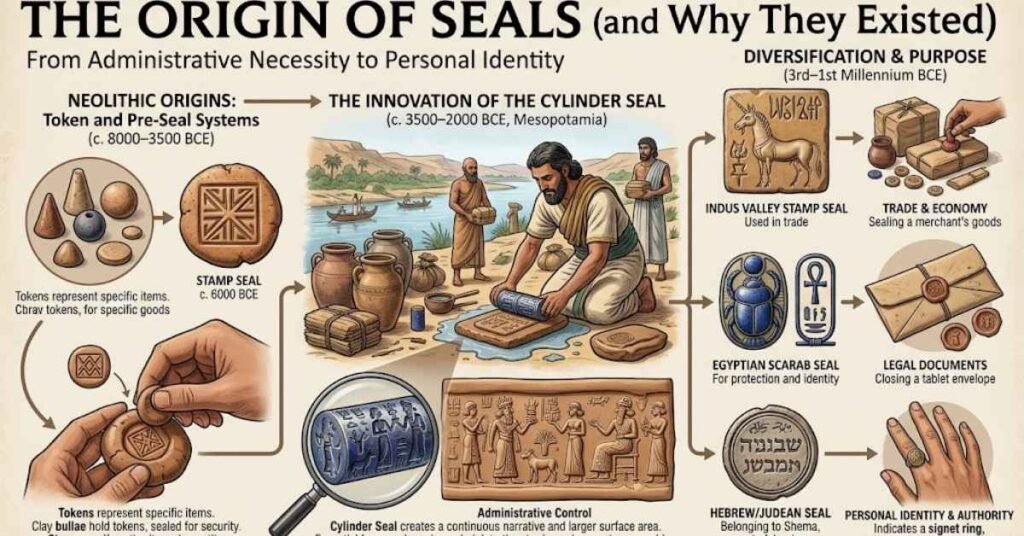
The origin of seal goes back to Latin. The Latin word sigillum meant a small picture or engraved sign, and it came from signum, which means “sign.”
That word traveled through Old French, where it showed up as seel, and then landed in English.
So seel isn’t a typo someone invented last week. It’s a leftover from this etymology and from historical English.
Middle English writers spelled the word in several ways, and seel was one of them.
Why does “seel” exist?
Spelling wasn’t standardized back then. Writers spelled words the way they sounded, and printers had their own habits.
Over time, English settled on seal, and seel slid into the obsolete word pile.
But seel stuck around as a separate verb in a few corners of English. Falconers used it to describe stitching a hawk’s eyelids shut so the bird stayed calm while being trained.
Shakespeare also borrowed it for dramatic effect, which is partly why you’ll still run into it in school.
Seel in Shakespeare and Falconry
If you’ve read Macbeth, you’ve met seel already. The phrase “seeling night” describes darkness closing like stitched eyelids over the world.
It sounds odd today, but in the 1600s the image landed hard.
Falconry used the word in a very literal way, and a few bird handlers still know it.
Beyond that, it’s rare. If you’re a student or blogger writing about old literature, you can use seel with confidence. Otherwise, skip it.
British English vs American English Spelling
Here’s some good news. There’s no regional difference for this one.
Seal is the universal spelling in UK English, US English, and the rest of the Commonwealth English world.
Compare that with color and colour, or organize and organise. Those do change by region.
Seal doesn’t. Whether you write for a London paper or a Texas startup, it’s standard English everywhere.
So you can stop hunting for a British English or American English angle. There isn’t one.
The Merriam-Webster dictionary lists seal as the main entry, and lists seel as a rare, old verb.
Which Spelling Should You Use?
Use seal. That’s the whole answer.
It’s the universally accepted spelling for professional writing, formal writing, and casual chats alike.
Why does this matter? Because small slips quietly chip away at trust in writing.
One wrong word in a client proposal can make a reader wonder what else you missed.
Audience guidance:
Different readers need slightly different advice.
Here’s a quick guide.
- English learners: Learn seal first. Treat seel as trivia.
- Students: Use seal in essays. Mention seel only when analyzing old texts.
- Professionals: Always seal, no exceptions, in business communication.
- Bloggers: Same rule. Your readers and search engines both expect seal.
One exception exists for everyone.
If you’re explaining the archaic word itself, seel is fair game.
Common Mistakes with Seel or Seal
Most errors come from sound, not ignorance. The two words are homophones, so they sound identical when you say them out loud.
Your brain hears “seel,” and your fingers try to spell it that way.
Autocorrect doesn’t always save you either, since seel exists in some dictionaries.
That means a spellchecker may let it slide, which is exactly how it sneaks into emails.
Frequent mistakes:
These are the slips I see most often.
They pop up in drafts, captions, and even printed signs.
- Writing “please seel the box” instead of “please seal the box.”
- Typing “seeled” or “seeling” as the past form or present participle.
- Spelling the idiom as “seel the deal.”
- Mixing up seal with ceil or seal the animal when proofreading by ear.
A friend once sent me a product listing that promised a “seeled” container. It sold fine, but the comments section had a field day.
Corrections:
The fixes are easy once you spot the pattern.
Here’s how each mistake should read.
- “Please seal the box.”
- Sealed and sealing are the correct forms.
- “Seal the deal.”
Remember, seeled and seeling aren’t modern words.
If your spellchecker flags them, trust it.
Seel or Seal in Everyday Examples
Let’s make this practical. Everyday English is where the confusion usually bites.
Below are real settings with sample lines you can borrow.
In emails
Email writing moves fast, and typos travel faster. A line like “Let’s seal the details by Monday” reads clean and friendly.
A line with seel reads like a slip, even if your content is great.
Subject lines matter most. “Ready to seal the agreement?” gets opened, while a typo can get ignored.
Give it a quick proofread before you hit send.
In office communication
In office communication, you’ll hear “seal” in meetings and chat threads.
“Can you seal the shipping box before the courier arrives?” is a perfectly normal ask.
Teams that use shared checklists should spell it right in the template.
Otherwise the mistake copies itself across every project.
Legal writing
Legal writing is picky, and for good reason. A court seal, official seal, or notary seal gives a document its authenticity.
In some places, a deed is “executed under seal,” so spelling it right isn’t optional.
In legal English, one wrong letter can look careless on a legal document.
Always write seal, and double check any formal correspondence before it goes out.
News writing
News writing favors short, clear words, and seal fits perfectly. Headlines like “Officials seal border crossing” or “Authorities seal building after inspection” are typical.
Readers expect precision, so editors catch seel fast.
There’s one catch. The animal seal also shows up in headlines about wildlife.
Context usually makes the meaning obvious, so you won’t need extra explaining.
On social media
Social media writing is casual, but typos still stick. “Can’t wait to seal the deal on this launch” looks sharp, while a misspelling invites jokes.
A quick re-read costs you five seconds.
Captions get screenshotted and shared, so mistakes live longer than you’d think.
Pick seal, hit post, and enjoy the likes.
Seel or Seal – Google Trends & Usage Insight
If you check Google Trends, you’ll see a clear picture. Seal dominates search data by a huge margin, since it covers many meanings including the animal, the verb, and the noun.
Seel shows tiny, scattered interest, mostly from people double checking spelling.
That tells you something about search intent. People typing “seel or seal” want a quick confirmation, not a history lecture.
That’s why the answer sits at the top of this article, and why I’d suggest you run your own usage insight check. Trends shift, and the numbers change over time.
Seal vs Seel – Comparison Table
Sometimes a table says it better than a paragraph.
Here’s a clean word comparison you can screenshot or save.
| Feature | Seal | Seel |
| Status in modern English | Standard, correct word | Archaic, rare |
| Part of speech | Verb and noun | Mostly verb |
| Common meaning | Close, secure, official stamp | Stitch eyelids (falconry), close the eyes (old poetry) |
| Past form | Sealed | Seeled (old use) |
| Present participle | Sealing | Seeling (old use) |
| Regional use | Universal | Almost none |
| Use in business or legal writing | Yes | No |
The takeaway is simple.
If you’re unsure, seal wins.
Strong Usage Guide
Now let’s get hands on. Knowing the meaning makes the spelling stick.
This section breaks seal into its two main jobs.
Correct meanings of “seal”
Seal wears two hats, and you can tell them apart by how the sentence works.
One hat is an action, and the other is a thing.
Once you see both, the word feels easy.
Here they are.
1. As a verb
As a verb, seal means to close tightly, secure something, or finalize something. You seal the container to keep fresh food fresh, and you seal the envelope so nobody peeks.
You can also seal the contract or seal the document.
The past form is sealed, and the present participle is sealing.
Example: “They sealed the leaks before the storm.”
2. As a noun
As a noun, seal can mean an official mark or official stamp on a certificate or contract. A gold seal on a diploma, for instance, shows it’s the real deal.
It also means the tight closure that stops spills, like the rubber ring on a lunch box.
And yes, it’s the sea animal too.
Same spelling, different history.
Seal in Professional, Legal, and Daily Language
The word travels well. It shows up in boardrooms, courtrooms, kitchens, and even idioms.
Let’s walk through each.
Seal in business English
In business English, seal often means to finish a negotiation. “We sealed the partnership last week” sounds confident and clean.
That fits business documents and professional communication without sounding stiff.
It also covers physical goods and shipping. You seal a box or container so items arrive safe.
Simple, practical, and clear.
The Seal in legal terms
In law, a seal proves authenticity and approval. A court seal marks a ruling, and a company seal can mark a binding agreement.
Notaries use embossed stamps for the same reason.
Government offices rely on an official seal to protect security and prevent forgery.
That’s why legal documents and official documents treat the word with care.
In daily life
You use seal more often than you think. You seal the envelope for a birthday card, seal the package for a return, and seal a sandwich bag for lunch.
Even fixing a window draft counts.
Builders use sealant on buildings to block water. Inspectors may also seal a unit after inspection, and authorities do the same at closed sites.
Small word, big range.
In idioms
Idioms love this word. “Seal the deal” means finalize an agreement, and “my lips are sealed” means you’ll keep a secret.
“Sealed with a kiss” shows up in love letters and old songs.
Another handy one is “seal of approval,” which means official approve status.
All of them use seal, never seel.
How to Remember the Difference
Here’s a trick I use. Think of the letter a in seal as “always right.”
If you want the safe choice, seal has your back.
Another memory hook is the word sea. A sea creature, a sea of paperwork, a seal on the last page.
You’ll never mix them up again.
Lastly, picture an envelope with a wax stamp.
That image says seal, loud and clear.
Synonyms for Seal
Want to vary your writing? Good grammar guides recommend mixing words.
Here are options that fit different moods.
- Close: “Close the box carefully.”
- Secure: “Secure the lid before shipping.”
- Lock: “Lock in the price today.”
- Fasten: “Fasten the flap with tape.”
- Approve: “The board will approve the plan.”
Each one shifts the meaning slightly.
Pick the one that fits your sentence, and keep seal for moments when only that word works.
Conclusion
So, seel or seal? It’s seal, plain and simple. Seel is an obsolete word with real history, but it doesn’t belong in everyday, academic, or professional writing.You now know the origin, the usage, and the traps.
Writing clearly builds professionalism, and a tiny spelling choice supports that.If this guide helped, share it with a coworker who loves typos, or drop your own spellingconfusion in the comments. I’d love to hear which word trips you up next.
FAQs
1. Is seel a real word?
Yes, but it’s rare and archaic. It appears in old texts, falconry, and Shakespeare.
In modern usage, it isn’t the right choice.
2. What does seal mean?
Seal means to close tightly, secure, or finalize something. As a noun, it’s an official stamp or a tight closure.
It’s also an animal, so context helps.
3. Why do people confuse seel or seal?
They’re homophones, so they sound the same. Old spelling habits also left traces of seel in dictionaries.
That mix keeps the common spelling mistake alive.
4. Can seal be a noun and a verb?
Absolutely. You can “seal a box” (verb) or press a “seal” onto a page (noun).
It works both ways with no spelling change.
5. Is seal used in formal writing?
Yes. It’s standard in formal writing, legal English, and academic writing.
You’ll see it in contracts, reports, and official documents all the time.
6. Is seal British or American English?
Neither. It’s the same everywhere, with no regional difference.
UK English, US English, and Commonwealth English all agree.
7. Is sealing a correct form?
Yes. Sealing is the proper present participle, and sealed is the past form.
Avoid “seeling” and “seeled” in modern writing.

Mubeen is a passionate writer who shares simple and practical English grammar, vocabulary, and writing tips at ScoopVisly.