

You just got a text with “IMK” in it, and you’re not sure what to say back.Here’s the short answer: IMK stands for “In My Knowledge.” People use it when they want to share something they believe is true, but they’re not claiming it’s an official or verified fact.
That’s the quick version. Now let’s get into why this little abbreviation matters more than you’d think, and how to use it without looking like you don’t know what you’re talking about.
What Does IMK Mean?
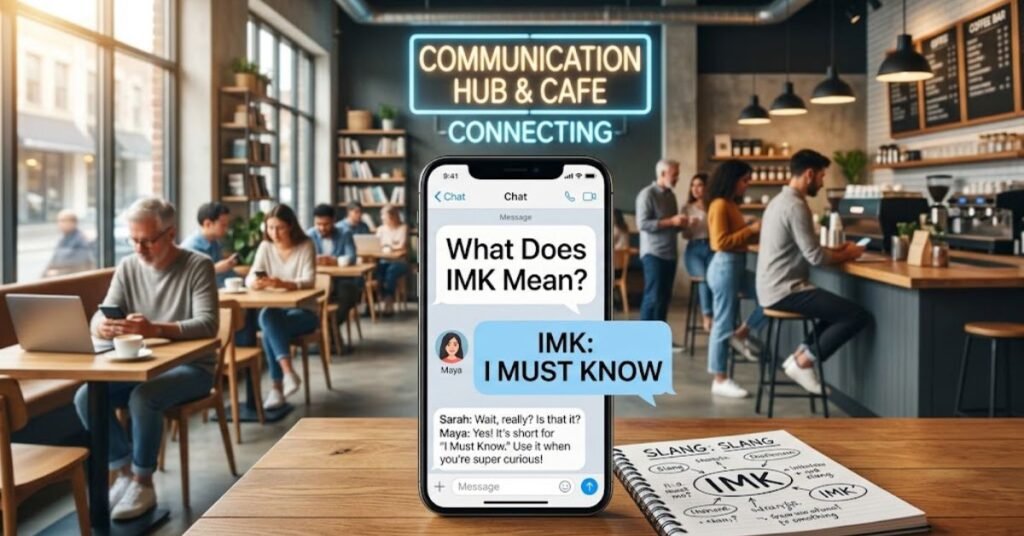
IMK means “In My Knowledge.” It’s one of those internet abbreviations that pops up in text messages, social media posts, and online chats when someone wants to add a personal note of honesty to what they’re saying.
Think about it this way. When someone says “IMK, the store closes at 9,” they’re telling you this is based on personal knowledge, not something they just Googled or confirmed. It’s a small phrase, but it carries a big message: “I believe this, but don’t hold me to it.”
This kind of shorthand expression fits right into how we talk online today. We want faster communication, but we also want to be honest about what we actually know versus what we’re guessing at.
Why People Use IMK in Text Messages
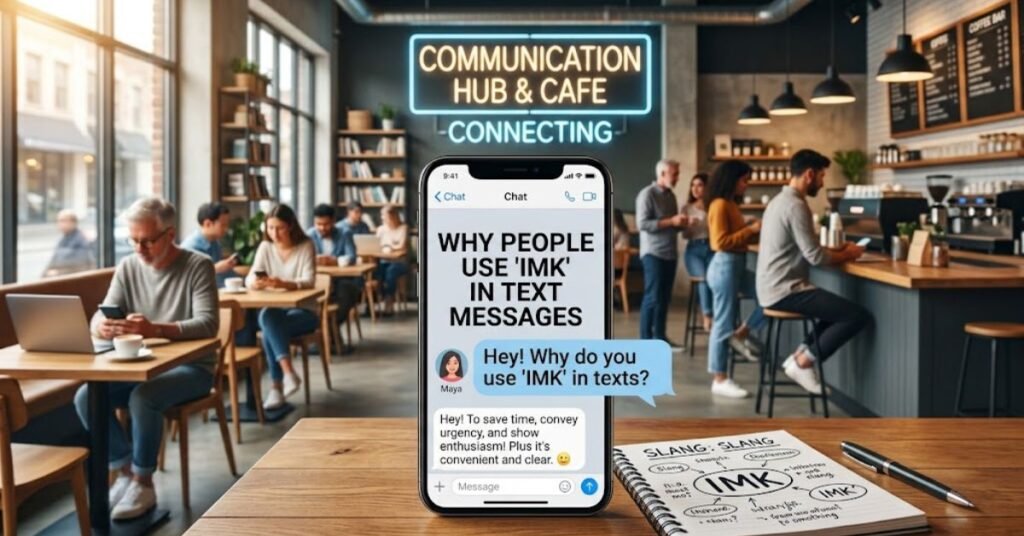
People reach for IMK because typing out “based on what I currently know” takes forever, and honestly, nobody’s got time for that in a fast-moving group chat. Digital communication thrives on speed, and texting abbreviations like this one help keep the conversational tone flowing.
But there’s more to it than saving keystrokes. Using IMK shows a bit of humility. You’re not pretending to be the all-knowing expert. You’re just sharing what you’ve got, and that little bit of honesty actually builds trust in online conversations.
It also helps prevent awkward situations later. If you say something with full confidence and it turns out wrong, that’s on you. But if you tagged it with IMK, everyone understood upfront that it was your personal understanding, not gospel truth.
Common Situations Where IMK Is Used
You’ll spot IMK all over the place once you start looking for it. It shows up in online gaming chats, technology discussions, and even casual student conversations about assignments.
Here are some everyday spots where people drop this abbreviation:
- Gaming: “IMK, the new update drops next Tuesday, but that’s not confirmed.”
- Tech talk: “IMK, that laptop model has hardware compatibility issues with older chargers.”
- Travel plans: “IMK, that restaurant closes early on Sundays.”
- Shopping recommendations: “IMK, they restock every Friday morning.”
- Workplace chats: “IMK, the meeting got pushed to 3 PM.”
Notice the pattern? Every one of these examples involves information sharing where the person isn’t 100% certain. That’s the whole point of IMK. It’s a polite flag that says “take this with a grain of salt.”
IMK vs. Similar Internet Abbreviations
The internet loves its acronyms, and honestly, they can get confusing fast. Let’s break down how IMK stacks up against a few other common ones you’ve probably typed a hundred times without thinking twice.
IMK vs. IMO
IMO means “In My Opinion,” and it’s a totally different animal from IMK. IMO is about how you feel or what you think, like “IMO, that movie was overrated.” There’s no claim to facts here, just your take.
IMK, on the other hand, is about knowledge vs opinion. You’re not sharing a feeling, you’re sharing information you believe is accurate, even if it’s unverified. Mixing these two up can lead to real misunderstanding prevention issues in group chats.
IMK vs. IIRC
IIRC stands for “If I Recall Correctly,” and it leans heavily on memory. Someone might say, “IIRC, the store used to be open until 10,” which signals they’re pulling from memory-based information that could be a little rusty.
IMK is broader than that. It’s not just about remembering something from the past, it covers your current knowledge in general, whether that came from memory, something you read, or something you were told recently.
IMK vs. FYI
FYI means “For Your Information,” and it’s used when you’re confidently sharing a fact, not a guess. “FYI, the office is closed tomorrow” sounds definite, almost like an announcement.
IMK carries less certainty. If you’re not totally sure, IMK is the safer choice because it doesn’t promise official confirmation. Swapping FYI for IMK when you’re unsure keeps your communication clarity intact and avoids putting your foot in your mouth later.
Should You Use IMK in Professional Communication?
Here’s where things get a little tricky. Professional communication usually calls for complete sentences and a more polished tone, so tossing IMK into a formal email or business proposal probably isn’t your best move.
That said, workplace messaging platforms like Slack or Teams are a different story. Chatting with coworkers in a quick, informal thread? IMK can slide in just fine there, especially if your team already leans casual.
The real skill here is audience awareness. Read the room before you type. If your boss writes in full paragraphs and signs off with “Best regards,” maybe skip the abbreviation and write “Based on my current understanding” instead. It says the same thing, just dressed up a bit.
Tips for Using IMK Correctly
Using IMK the right way isn’t complicated, but a few small habits make a big difference in how your message lands. Nobody wants to be that person who confuses everyone in the group chat.
Try these pointers next time you’re about to type it out:
- Use it only when you genuinely aren’t sure about something, not just as a filler word.
- Don’t use IMK for topics that need real accuracy, like legal advice, financial advice, or medical advice. Those need actual facts, not a casual hedge.
- Pair it with a bit of context so people understand what kind of knowledge you’re working from.
- Skip it in formal writing style situations like reports, cover letters, or client emails.
- Keep it for casual conversations, discussion forums, and instant messaging where a relaxed tone fits.
Getting this right is really about information accuracy. IMK isn’t a free pass to say whatever you want. It’s a tool for honest, low-stakes sharing, and using it well shows real digital literacy.
The Growing Role of Internet Abbreviations
Abbreviations like IMK didn’t just show up overnight. They grew out of online communities where people needed language efficiency to keep up with fast-paced chats, from early messaging apps to today’s social networking platforms.
Compare IMK to older classics like LOL or BRB. Those were built for speed and reaction. IMK, though, serves a slightly different purpose. It’s less about emotion and more about honesty, marking the line between something you know for sure and something you’re just fairly confident about.
This shift says a lot about how internet culture has matured. We’re not just typing faster, we’re getting better at signaling nuance, even in short bursts of text. That’s a small but real piece of language evolution happening right in front of us.
How IMK Fits Into Modern Digital Etiquette
Good communication etiquette online isn’t just about being polite, it’s about being clear. IMK plays a quiet but useful role here by helping people avoid stepping on toes with confident-sounding claims that turn out to be wrong.
Think about how many arguments start online because someone stated something as fact when it was really just a guess. A simple IMK at the start of a sentence could’ve saved that whole mess. It’s a tiny act of respectful communication that keeps things smooth.
As more of our daily interaction moves into chat conversations and online discussion language, small habits like this one add up. They shape how trustworthy and easygoing you come across in social interaction, one text at a time.
Does IMK Work the Same Way Across Platforms?
Not exactly. On social media discussions, IMK might show up in comment sections where people are debating something casual, like a movie plot or a sports score. It fits the loose, informal vibe of those spaces.
In online gaming communities, though, IMK often carries a bit more weight, especially around game updates and release information. Gamers rely on shared knowledge from patch notes and forums, so tagging a claim with IMK helps separate rumor from confirmed news.
Context really does shape meaning here. The same three letters can feel casual in one chat and surprisingly useful in another, depending on what’s being discussed and who’s reading it.
Final Thought
IMK is a small piece of internet slang, but it does a big job. It lets you share what you know honestly, without pretending to have all the answers or sounding like you’re reading from an instruction manual.Next time you’re not 100% sure about something but still want to share it, give IMK a shot. Just remember to save it for the casual stuff and keep the formal writing formal.
Got a favorite abbreviation you use all the time? Drop it in the comments, we’d love to see what other shorthand you’ve got up your sleeve.
FAQs
What does IMK mean in a text message?
IMK means “In My Knowledge.” It’s used when someone shares information they believe to be true, without claiming it’s officially confirmed.
Is IMK the same as IMO?
No. IMO means “In My Opinion” and reflects a personal viewpoint, while IMK signals unverified personal knowledge rather than a feeling or take.
Can I use IMK at work?
It depends on the setting. Casual workplace chats on messaging apps are usually fine, but skip it in formal emails or official documents.
What’s the difference between IMK and FYI?
FYI implies confirmed, factual information. IMK signals less certainty, making it a better fit when you’re not entirely sure your information is accurate.
Where did IMK come from?
Like most texting abbreviations, IMK grew out of the need for faster communication in online chats and messaging apps, where shorthand expressions save time without losing meaning.

Mubeen is a passionate writer who shares simple and practical English grammar, vocabulary, and writing tips at ScoopVisly.