

Many people pause when they need to write the plural of “hero.” Should it be “heros” or “heroes”? This small spelling question trips up students, writers, and even native speakers. The good news is that the rule is simple once you understand it.
This guide breaks down the correct spelling, the grammar rule behind it, real examples, and the common mistakes people make. By the end, you will never second guess this word again.
Heros or Heroes Quick Answer
The correct plural of “hero” is heroes, not “heros.” This is the standard spelling in both British and American English.
“Heros” is considered a misspelling in almost every case, except when it appears as part of a brand name, a movie title, or a specific proper noun. In everyday writing, always use “heroes.”
Here is a quick summary table:
| Word Form | Correct Spelling | Usage |
| Singular | Hero | One person who shows courage |
| Plural | Heroes | More than one hero |
| Common Mistake | Heros | Incorrect in standard English |
| Exception | Heros (brand name) | Used only as a proper noun |
If you remember one thing from this article, remember this: hero becomes heroes, not heros.
Grammar Rules Explained
English has a specific rule for nouns that end in the letter “o.” When a noun ends in a consonant plus “o,” the plural usually adds “es” instead of just “s.”
“Hero” ends with a consonant (“r”) followed by “o.” That is why the plural takes “es” and becomes “heroes.” This same pattern applies to many other common words.
Here are a few rules that help explain the pattern:
- Nouns ending in consonant + “o” often add “es” in the plural (hero to heroes, potato to potatoes, tomato to tomatoes)
- Nouns ending in vowel + “o” usually just add “s” (radio to radios, video to videos, studio to studios)
- Some words break this rule due to their origin, so they must be memorized (piano to pianos, photo to photos)
Since “hero” follows the consonant + “o” pattern, “heroes” is the grammatically correct form. There is no real exception for this word in modern English.
The Origin of the Word Hero
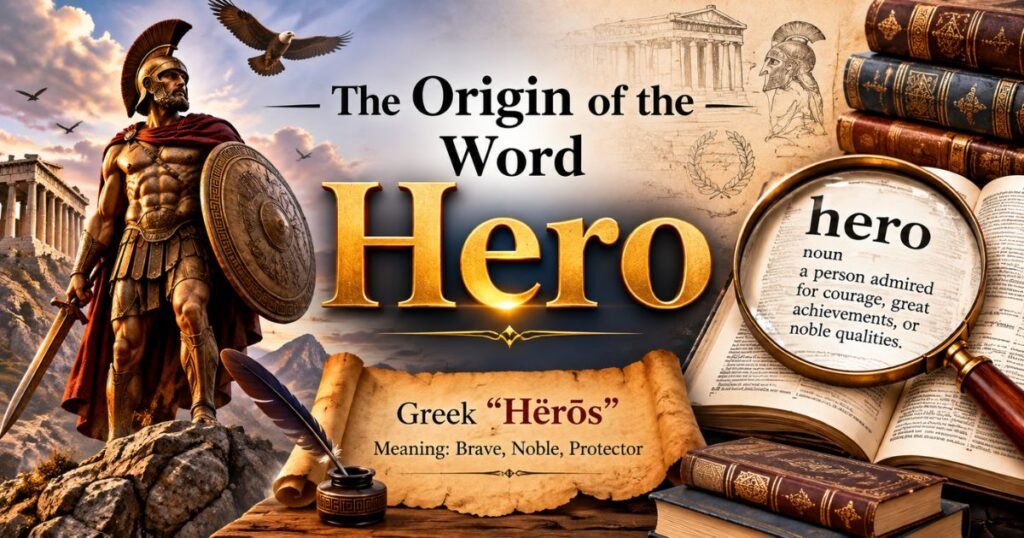
The word “hero” comes from the ancient Greek word “heros,” which referred to a person of great strength, courage, or divine favor. It entered English through Latin and later through French influence during the medieval period.
Over time, English absorbed the word and adapted its spelling and grammar rules to fit standard English plural patterns. This is why the plural changed to “heroes” instead of keeping the original Greek form “heros.”
Interestingly, the original Greek spelling is part of why some people still write “heros” today. They may have seen it in historical texts, mythology books, or academic writing about ancient Greece, where “heros” sometimes appears as a transliteration of the Greek term.
However, in modern everyday English, this historical spelling does not apply. The standard plural remains “heroes.”
Heros or heroes examples
Seeing the word in real sentences makes the rule easier to remember. Below are some clear examples showing correct usage.
Correct examples:
- The firefighters were called heroes after saving the family from the fire.
- Comic book heroes often have secret identities.
- Many children look up to sports heroes.
- History remembers these soldiers as heroes of their time.
- Teachers are everyday heroes who shape young minds.
Incorrect examples (avoid these):
- The firefighters were called heros after saving the family. (Wrong)
- Comic book heros often have secret identities. (Wrong)
- Many children look up to sports heros. (Wrong)
As you can see, “heroes” fits naturally into everyday writing, while “heros” looks and sounds off in the same context.
Why People Make Mistakes With Heros or Heroes
There are a few clear reasons why this mistake happens so often. Understanding these reasons can help you avoid the error yourself.
Common reasons for the mistake:
- Simple typing habit: Many English plurals just add “s,” so people assume this word follows the same pattern.
- Autocorrect and spellcheck gaps: Some tools do not always catch this error, especially in casual typing or social media posts.
- Confusion with brand names: Sandwich shops and product brands sometimes use “Heros” as a stylized name, which confuses shoppers about the correct grammar.
- Influence from other languages: In Spanish and some other languages, “heroes” is spelled differently, which can confuse bilingual writers.
- Fast typing without proofreading: Many mistakes happen simply because people do not double check their work before posting or submitting it.
Once you know these reasons, it becomes easier to slow down and write the correct form on purpose.
Heros or Heroes in Real Life Usage
You will notice “heroes” used correctly across newspapers, books, movies, and official writing. It shows up constantly in daily conversation and media.
Some common real-life uses include:
- News headlines about first responders, such as “Local Heroes Save Family From Flood”
- Award shows honoring “everyday heroes” in the community
- School assignments asking students to write about their personal heroes
- Marketing campaigns thanking healthcare heroes during difficult times
In almost every one of these situations, “heroes” is the spelling used by professional writers, editors, and publishers. This confirms that “heroes” is the standard and expected form in formal and informal writing alike.
British and American English Usage
Many spelling rules differ between British and American English, such as “colour” versus “color” or “organise” versus “organize.” However, this is not one of those cases.
Both British and American English agree on this word. “Heroes” is correct in both versions of English, with no regional difference.
| Region | Plural of Hero | Notes |
| American English | Heroes | Standard spelling |
| British English | Heroes | Standard spelling |
| Australian English | Heroes | Standard spelling |
| Canadian English | Heroes | Standard spelling |
This makes the rule easy to remember no matter where you are writing from or who your audience is.
Which One Should You Use
In almost all writing situations, you should use “heroes.” This applies to essays, emails, articles, social media posts, and professional documents.
The only time “Heros” might appear correctly is when it refers to a specific brand name, restaurant, product, or title that has chosen that spelling on purpose. For example, some sandwich shops use “Heros” as part of their business name.
Outside of proper nouns like these, always default to “heroes.” If you are ever unsure while writing, a simple trick is to say the word out loud. You will naturally hear the extra syllable sound that matches “heroes,” not “heros.”
Heros or heroes cast
This phrase often appears when people search for information about actors in superhero movies, television shows, or franchises. For example, someone might search “heroes cast” while looking up actors from a popular TV series called “Heroes.”
In this context, “Heroes” is usually a proper noun, referring to the title of the show itself. Titles can have their own spelling rules, and they are treated as names rather than standard plural nouns.
However, when talking generally about the actors playing hero characters in any movie or show, the standard grammar rule still applies. For example:
- “The heroes cast in the new movie did an amazing job.” (correct general usage)
- “The Heroes cast reunited for an interview.” (correct if referring to the show title)
So the spelling depends on whether you are naming a specific title or simply describing multiple hero characters.
Common Mistakes and Corrections
Let us look at frequent errors people make with this word and how to fix them quickly.
| Mistake | Correction | Why |
| Sports heros | Sports heroes | Standard plural rule |
| Everyday heros | Everyday heroes | Standard plural rule |
| Comic heros | Comic heroes | Standard plural rule |
| My heros are my parents | My heroes are my parents | Standard plural rule |
| War heros | War heroes | Standard plural rule |
A simple way to check your writing is to search your document for the word “heros” before submitting it. If you find it, replace it with “heroes” unless it is part of an actual brand name.
Understanding Plurals Ending in O
The confusion around “hero” is part of a larger pattern in English grammar. Words ending in “o” do not always follow the same plural rule, which makes this topic worth understanding fully.
Here is a helpful breakdown:
Words that add “es”:
- Hero to heroes
- Potato to potatoes
- Tomato to tomatoes
- Echo to echoes
- Volcano to volcanoes (also accepted as volcanos)
Words that just add “s”:
- Photo to photos
- Piano to pianos
- Radio to radios
- Video to videos
- Zoo to zoos
There is no single formula that works for every word, so some memorization is necessary. However, knowing that “hero” belongs to the “es” group will help you remember it correctly going forward.
Related Plural Words and Similar Confusions
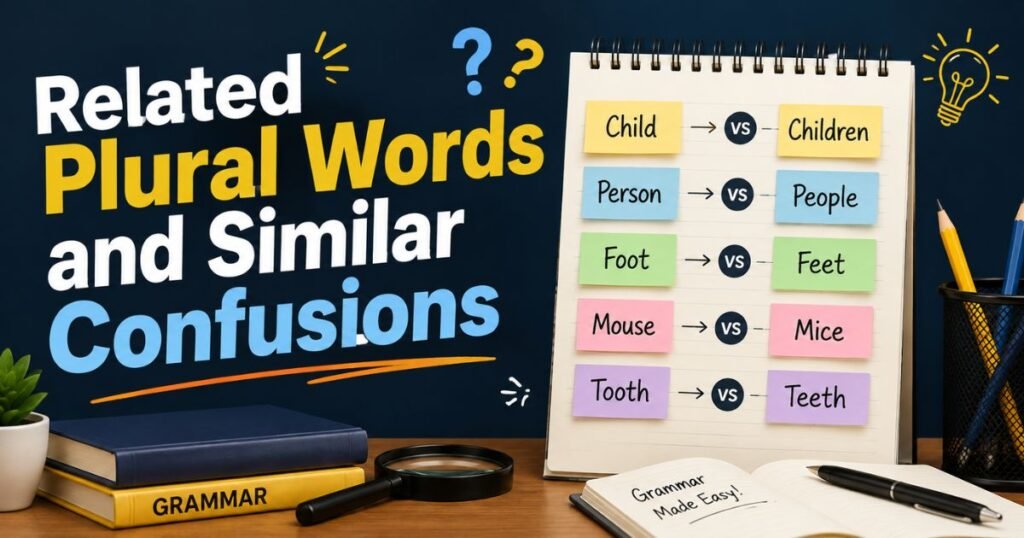
Several other English words cause similar plural confusion. Learning these alongside “heroes” can strengthen your overall grammar skills.
Common confusing plurals include:
- Tomato and tomatoes
- Potato and potatoes
- Mosquito and mosquitoes
- Cargo and cargoes (or cargos, both accepted)
- Echo and echoes
Notice how many of these words follow the same consonant + “o” pattern as “hero.” Once you understand this connection, remembering “heroes” becomes part of a bigger, easier pattern rather than a random exception.
Heros or Heroes in Sentences
Practicing with full sentences helps lock in the correct spelling. Here are more examples showing natural, everyday use of the word.
- The movie featured several heroes fighting to save the city.
- Nurses and doctors became heroes during the pandemic.
- Ancient myths are full of stories about brave heroes.
- Our grandparents are the quiet heroes of our family.
- The book explores the journeys of unlikely heroes.
Try writing your own sentence using “heroes” right now. This kind of active practice makes the correct spelling stick in your memory much faster than simply reading about it.
Writing Tips to Remember Heroes Correctly
A few simple tricks can help you avoid this mistake permanently, especially if you tend to write quickly or type on mobile devices.
Also Read This: Piece vs Peice
Helpful memory tips:
- Remember the phrase “hero needs an E before S,” since heroes has that extra “e”
- Compare it to “potato and potatoes,” which follows the exact same pattern
- Read your sentence out loud before finishing your writing
- Use spellcheck tools, but do not rely on them completely
- Keep a small list of tricky plural words for quick reference while writing
With a little practice, “heroes” will start to feel automatic, and you will stop second guessing yourself every time you type it.
Heros or Heroes in Education and Exams
Teachers and exam boards commonly test this exact word because it is a classic example of irregular English plurals. Students preparing for spelling tests, grammar exams, or English language certifications should pay close attention to it.
This word often appears in:
- Elementary and middle school spelling tests
- English grammar workbooks
- ESL and TOEFL style vocabulary sections
- Writing sections of standardized tests
Since it is such a commonly tested word, mastering it early can help students avoid losing easy points on assignments and exams later on.
Practice Exercises
Testing yourself is one of the best ways to lock in a grammar rule. Try filling in the blanks below with the correct word.
- The firefighters were true _______ that day. (heroes)
- Many _______ never ask for recognition. (heroes)
- The comic book _______ saved the city again. (heroes)
- Our teachers are everyday _______. (heroes)
- History remembers these soldiers as _______. (heroes)
If you got all five correct, you have a strong grasp of this rule. If not, review the earlier sections and try again after a short break.
Common Writing Situations

This word often comes up in specific types of writing, so it helps to know exactly where to expect it.
You are likely to use “heroes” when writing:
- School essays about role models
- Articles about first responders or military members
- Movie and book reviews
- Motivational or inspirational content
- Historical writing about famous figures
Knowing these common contexts can help you stay alert and double check your spelling whenever the topic naturally involves heroes.
Advanced Explanation for Grammar Learners
For those who want a deeper understanding, English plural rules developed from a mix of Old English, Latin, and French influences. Words that entered English through Latin roots, like “hero,” often kept patterns that require the “es” ending after certain consonant and vowel combinations.
Linguists note that the “es” ending historically made pronunciation easier, since saying “heros” without the extra syllable can sound unclear or clipped in spoken English. Adding “es” creates a smoother, more natural sound when speaking.
This is also why some newer or borrowed words, like “photo” and “piano,” did not adopt the same rule. They entered English more recently and did not go through the same historical spelling changes.
Understanding this background is not required for everyday writing, but it does explain why English grammar sometimes feels inconsistent to learners.
Why Correct Spelling Matters
Spelling might seem like a small detail, but it affects how readers perceive your writing. Using “heroes” correctly shows attention to detail and strengthens your credibility as a writer.
Reasons correct spelling matters:
- It builds trust with readers and employers
- It improves clarity and avoids confusion
- It reflects professionalism in resumes, essays, and business writing
- It helps content rank better in search engines, since search engines favor well written, accurate content
Small grammar details like this one add up. Getting them right consistently makes your writing look more polished overall.
Conclusion
The plural of “hero” is “heroes,” not “heros.” This rule applies across British and American English, in formal and informal writing, and in nearly every real world context you will encounter.The only exception is when “Heros” appears as an official brand name, restaurant name, or title, which functions as a proper noun rather than a standard plural.
Outside of that specific case, always choose “heroes.”With the rules, examples, and practice covered in this guide, you now have everything you need to use this word correctly and confidently every time you write.

Mubeen is a passionate writer who shares simple and practical English grammar, vocabulary, and writing tips at ScoopVisly.